Eliminate Trapped Air for Optimal Radiator Performance
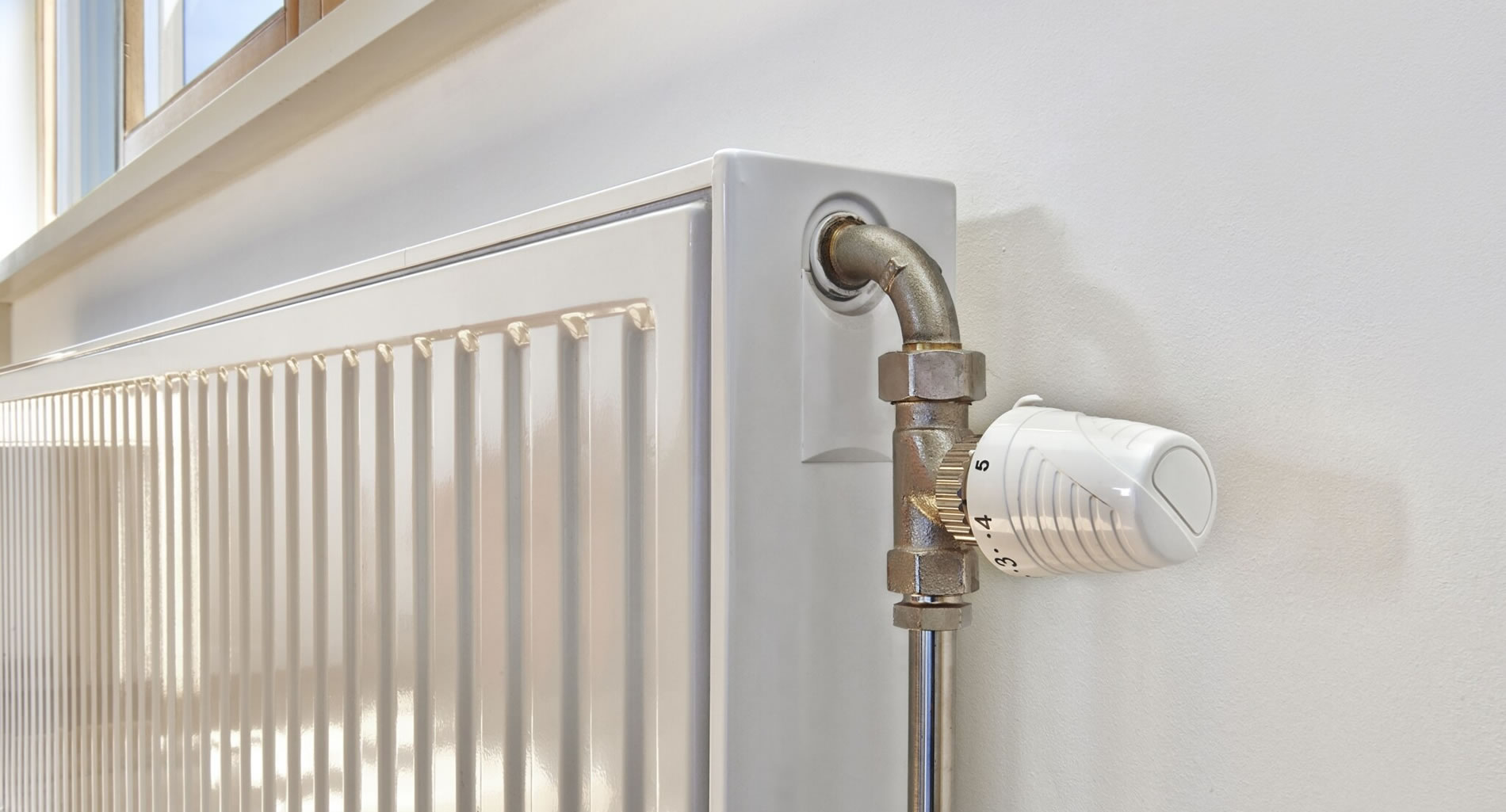
Bleeding your radiators constitutes a vital aspect of preserving your heating system’s efficiency. This straightforward procedure effectively removes any trapped air within your radiators, thereby enhancing their functionality and ensuring uniform heating throughout your home. Below, we present a comprehensive guide on how to bleed your radiators.
Step 1: Gather Your Tools
Equip yourself with a radiator key, a small implement designed to fit snugly into the bleed valve of your radiators. You can procure a radiator key from most hardware outlets. Additionally, have a cloth or rag handy to absorb any water drips.
Step 2: Locate the Bleed Valves
Identify the bleed valves situated atop your radiators. These valves typically feature a compact, circular design with a square or hexagonal configuration. Some may also incorporate a small screw at the centre.
Step 3: Turn Off the Heating System
Prior to commencing the bleeding process, it is imperative to deactivate your heating system. Achieve this by adjusting the thermostat or by switching off the heating mechanism at the boiler.
Step 4: Open the Bleed Valve
Insert the radiator key into the bleed valve and rotate it in a counter clockwise direction. As trapped air escapes, you should hear a distinct hissing sound. Once the hissing ceases, water will begin to trickle out.
Step 5: Collect the Water
Position the cloth or rag beneath the bleed valve to capture any water drips. Continue turning the key until a steady flow of water emerges from the valve.
Step 6: Close the Bleed Valve
Once water flows consistently, shut the bleed valve by turning the key clockwise. Exercise caution not to overtighten the valve, as this may lead to damage.
Step 7: Repeat the Procedure
Systematically repeat the bleeding process for each radiator in your residence. It may be necessary to bleed your radiators if your heating system has remained inactive for an extended period or if you observe uneven heating.
In summary, bleeding your radiators plays a pivotal role in sustaining your heating system’s efficiency. By adhering to these straightforward steps, you can ensure that your radiators operate optimally, fostering a warm and comfortable environment within your home. Should you encounter any uncertainties or apprehensions, consulting a professional heating engineer is advisable.